5-star rated on Google
Road Surfacing
New roads built from formation up and worn roads planed and relaid, from estates to cycleways.
Get Your Quote
Fill out the form below, and our specialists will get back to you swiftly.
 SafeContractorApproved, Gold status
- £10 millionPublic liability
- DBSChecked team
Road Construction
Local Road Surfacing Nationwide
A road is a structure, not just a surface. Under the part you drive on sit a binder course, a base course and a compacted sub-base, all resting on prepared ground, with kerbs holding the edges and drainage taking water away. Each layer does a job, and when one is skimped the road fails early no matter how good the top looks.
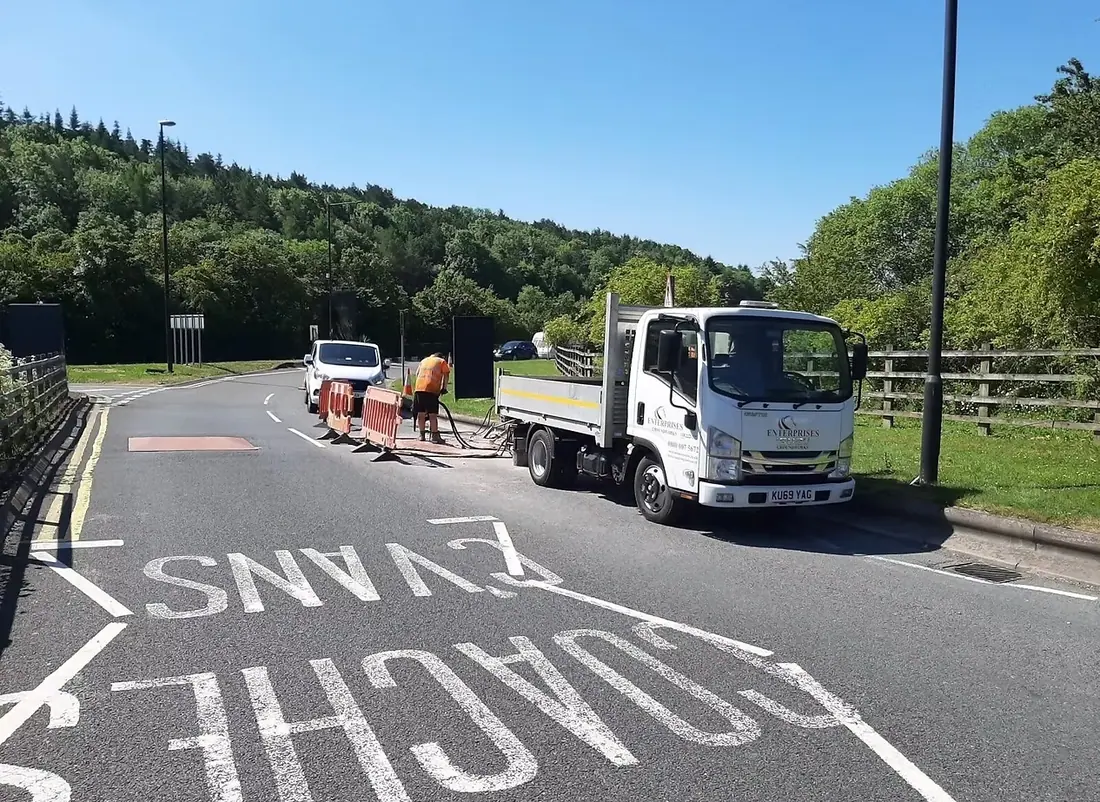
We build new roads and resurface existing ones for housing estates, private roads, industrial and business parks, footpaths and cycleways across the Midlands, and take on projects further afield. New construction covers everything from excavation to the final surface course. Resurfacing means planing off worn layers and relaying them, so the road keeps its levels at kerbs and drains.
Adoptable roads have to meet the local highway authority's specification and pass its inspections. We build to the specification you or your engineer provide, and keep the site tidy and safe for residents and traffic while the work goes on.
- Estate and adoptable roads
- Private and access roads
- Industrial and business park roads
- Footpaths and cycleways
- Road planing and relaying
- Kerbing and drainage
20+
years of surfacing experience
What's included
What our road construction work covers
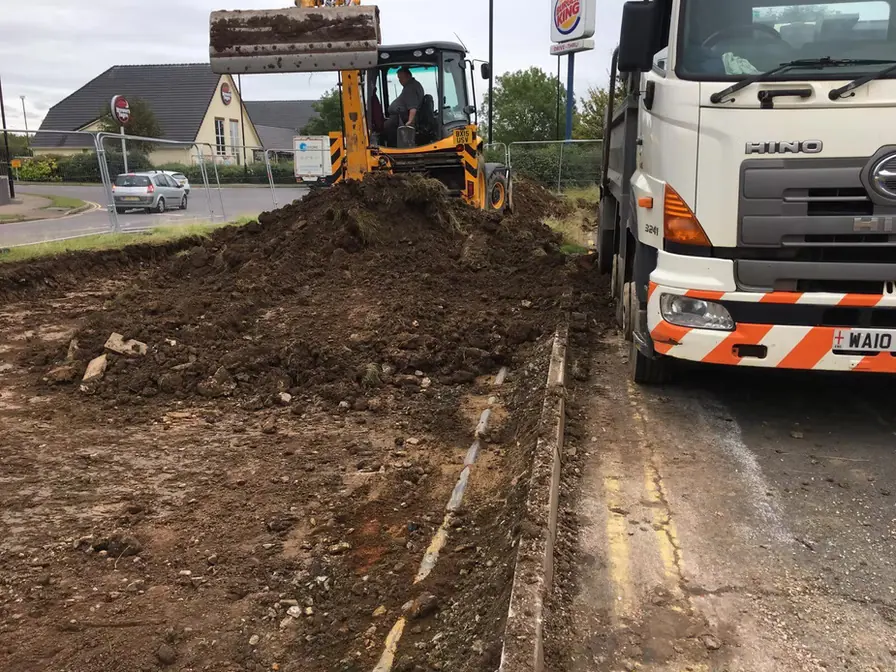
- Excavation and removal of spoil
- Geotextile and compacted sub-base
- Base, binder and surface courses
- Kerbs, edgings and channels
- Gullies and drainage runs
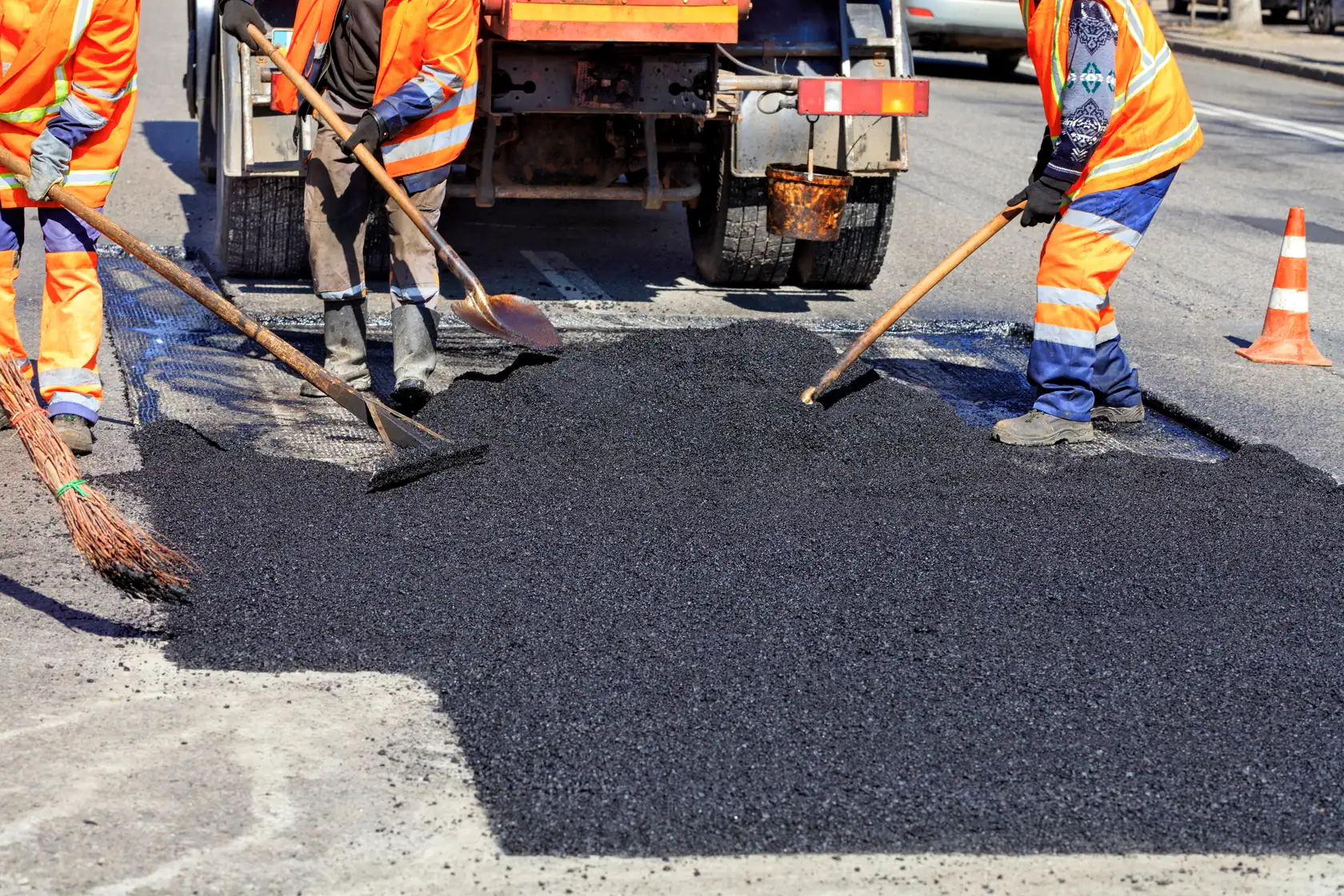
- Planing off and relaying worn roads
- Ironwork raised to finished levels
- Footpaths and cycleways alongside
- Road markings on completion
Our work
Explore our road construction work
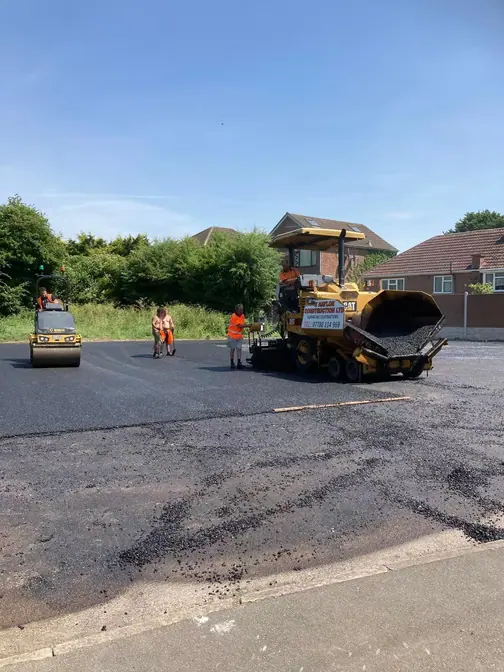
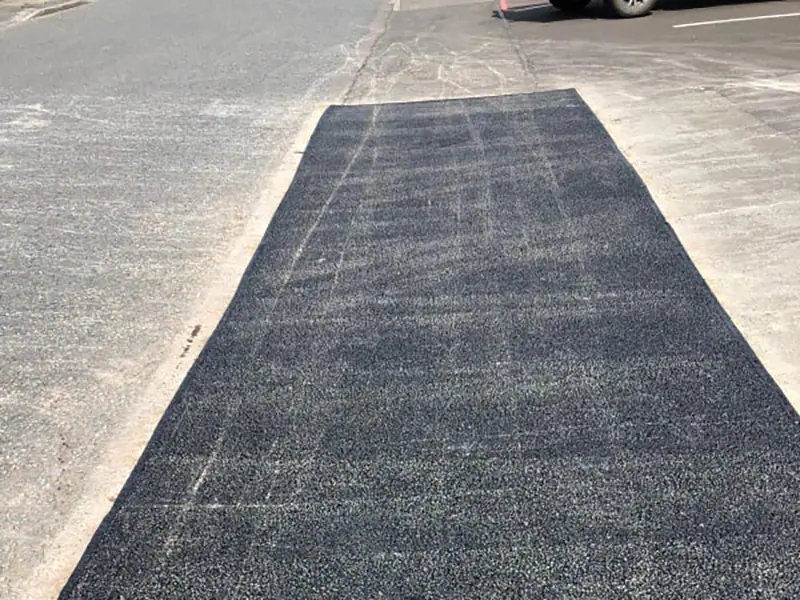
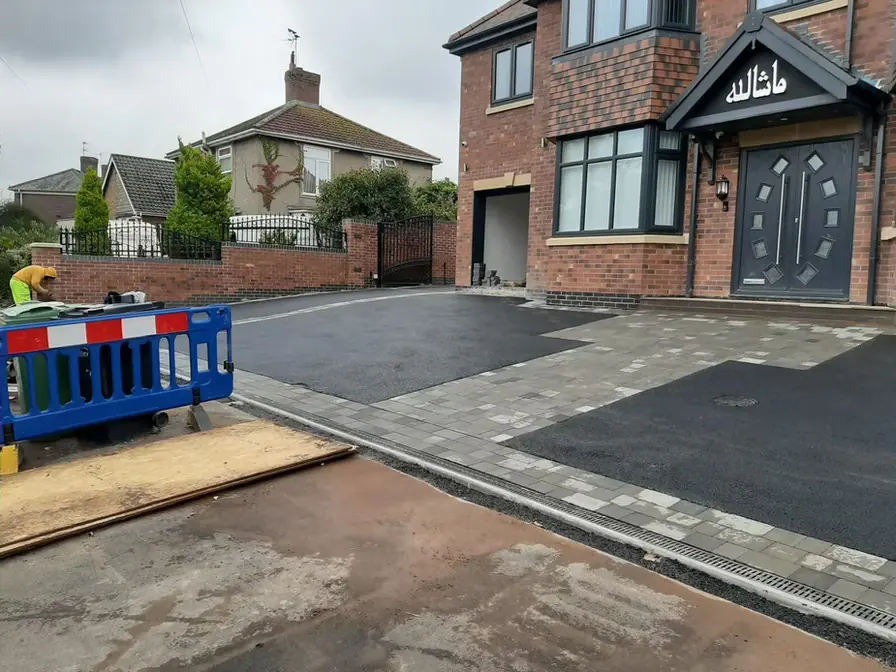
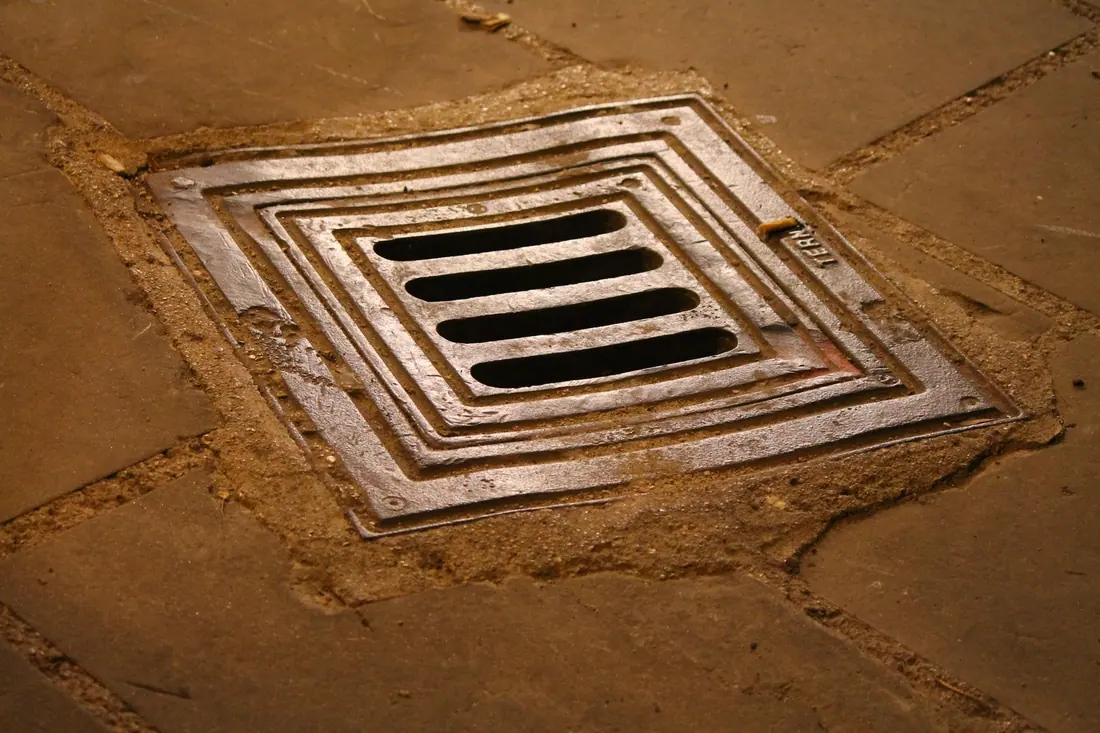
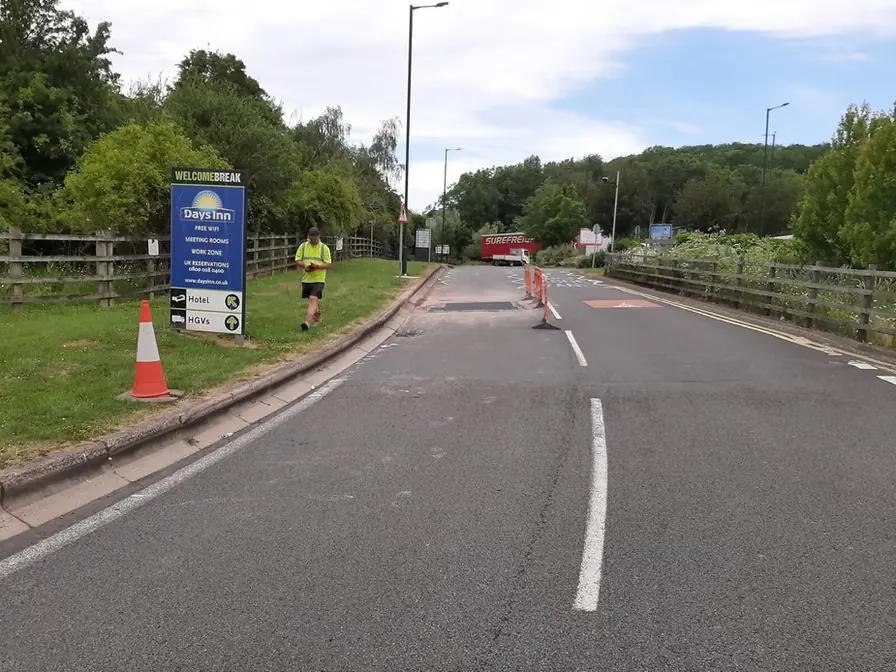
Photos from our own jobs. Tap any image to view it full size.
Why choose us
Why developers and estate owners choose us for roads
Every layer to spec
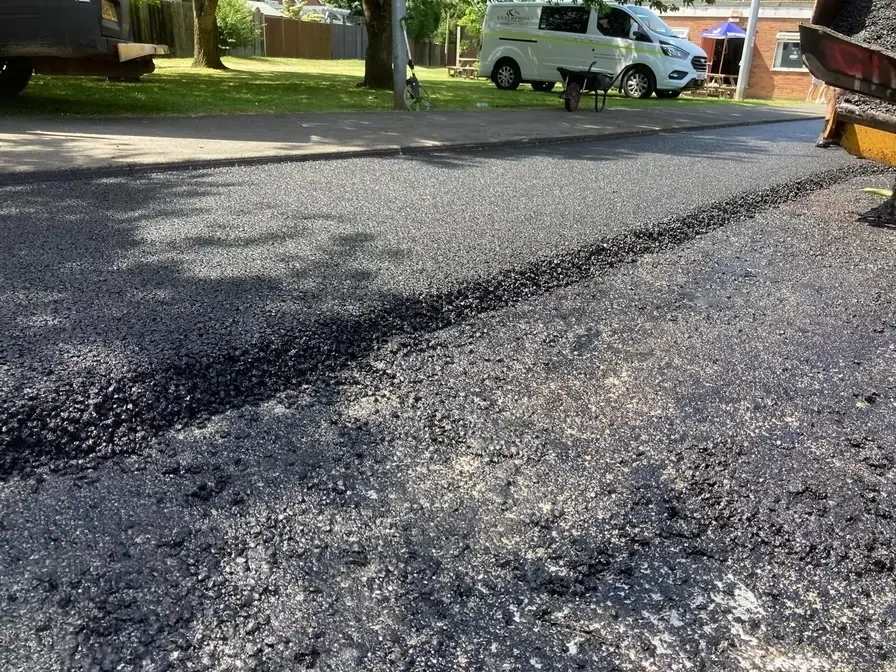
Base and binder courses are laid to the specified thickness and checked, because the layers you cannot see decide how long a road lasts.
Kerbs and drainage included
Edges and drainage are part of our scope, not a separate trade, so levels, falls and gully positions are all set by one team.
Resurfacing that keeps levels
Planing before relaying keeps the finished road flush with kerbs, driveways and drainage covers, so water still runs where it was designed to.
Accredited and insured
SafeContractor Gold status, £10 million public liability insurance and a DBS checked workforce make us straightforward to approve for estate and public-facing work.
Over 20 years building roads
Road and car park work across the Midlands and beyond for over 20 years, with all work guaranteed and 5-star reviews on Google and Yell.com.
Ready for a free site survey?
Tell us about the site and we will arrange a visit, measure up and send a clear written quote.

How the job runs
How we build and resurface roads
- 1
Step 01
Survey and design check
We survey the route, levels and ground, then check the specification against the traffic and drainage so any gaps are raised before work starts.
- 2
Step 02
Excavate and drain
The road line is excavated to formation, kerbs are set and drainage runs and gullies installed, so water has somewhere to go from day one.
- 3
Step 03
Build the layers
Sub-base is laid and compacted, then the base and binder courses follow, each one checked for level and thickness against the specification.
- 4
Step 04
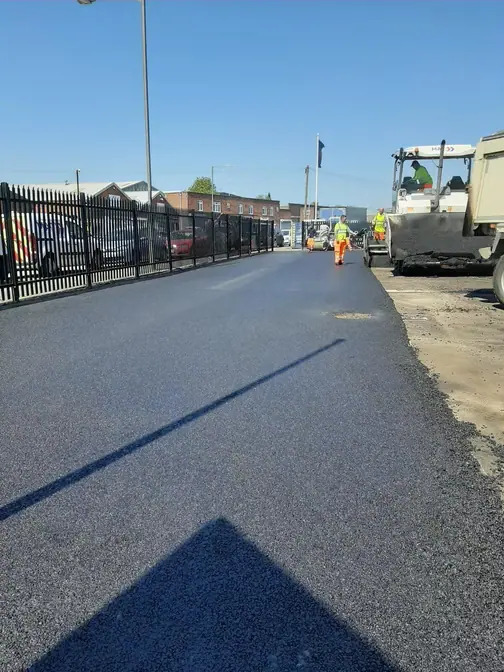
Surface and finish
The surface course is laid and rolled, joints are sealed, ironwork is set flush, and markings go down before the road opens to traffic.
Trusted on site
We have worked on premises for
National commercial brands whose premises our team has worked on. Ask us about the standards we work to on busy, trading sites.



Pricing
What affects the cost of road construction
Road costs are driven by the specification and the ground, so we price each scheme after a free survey and a look at any drawings you have.
Get a fixed written quote- 01
Road specification
Adoptable roads and routes carrying HGVs need thicker layers and tighter tolerances than a lightly used private road, which changes material quantities.
- 02
Ground and excavation
Soft ground, contaminated fill or high groundwater can mean deeper digging, more sub-base or a geotextile, all of which add to the cost.
- 03
Drainage requirements
New gullies, pipe runs and connections to existing drains vary a great deal between sites and are often a large part of the price.
- 04
New build or resurface
Planing and relaying an existing road costs far less than building from formation, provided the base underneath is still sound.
Areas we cover
Road Surfacing across the Midlands
From our base in Bedworth we work throughout the Midlands and take on projects nationwide.
Reviews
What our customers say
Rated 5 stars on Google and Yell.com, with more reviews from our customers on MyBuilder.


FAQs
Road construction questions
What layers make up a new road?
Can you build a road to adoptable standard?
Is planing and relaying better than an overlay?
Do you build footpaths and cycleways?
What happens to kerbs and ironwork when a road is resurfaced?
Can't find the answer you're looking for?
Get a Quick Quote
Get in touch with the team today. We reply quickly, and a site survey and written quote cost you nothing.
Ready to talk about your site? Call 0121 6738596
Free site survey and a written, itemised quote. No obligation.
Explore more